
We're stepping away from food tips and focusing on something just as important, eating with the seasons. We're big believers in following the seasons with the type of food you eat as well as embracing what fruits and vegetables grow abundantly during this time.
So this month we are chatting spring foods
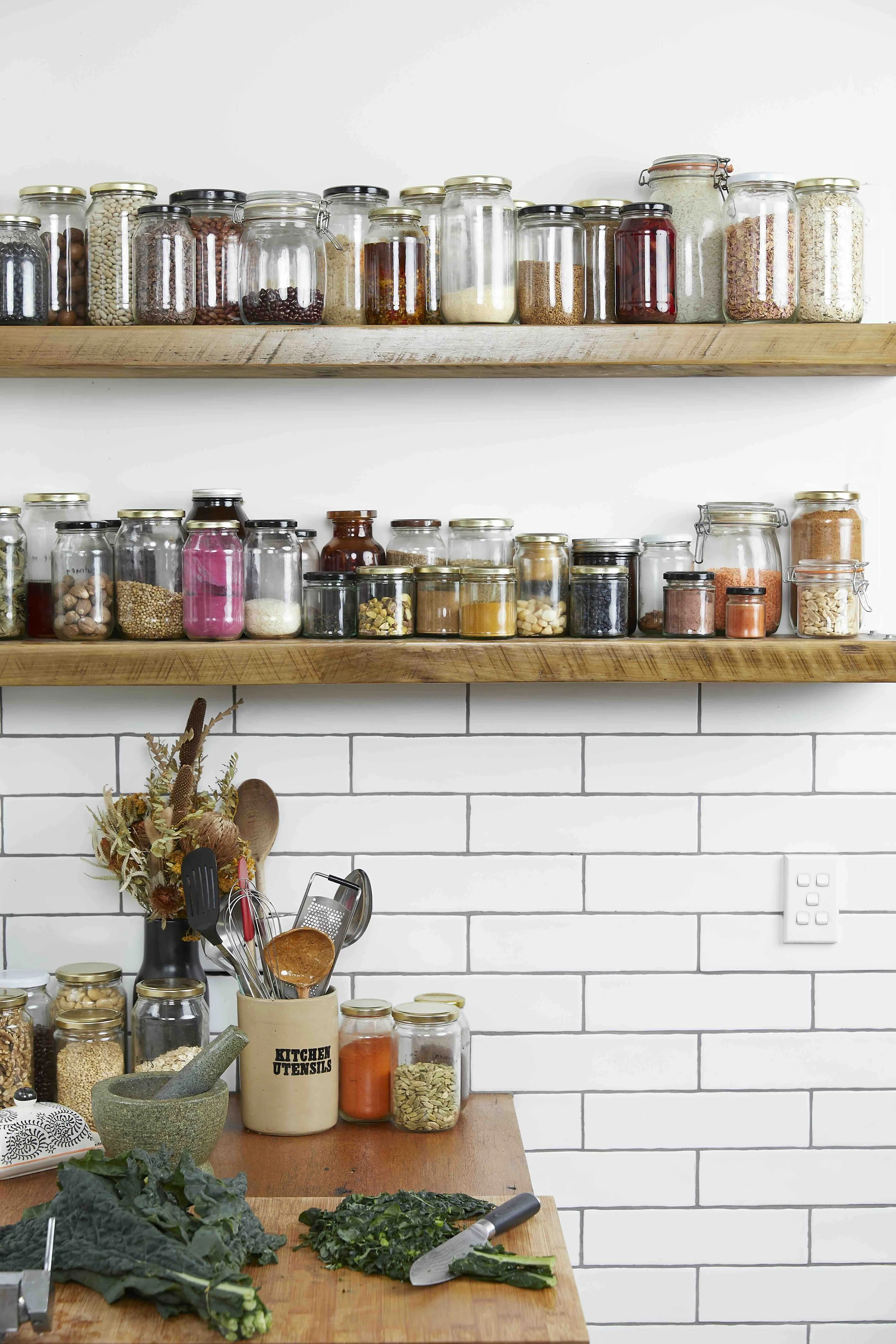
What we eat in spring
Spring in Byron means morning light, dewy grass underfoot, open windows and the first warm breeze drifting in off the ocean. It’s a season of fresh starts, garden wandering and an excuse to linger at the market just a little longer.
During spring, our bodies naturally crave renewal and gentle cleansing as the world wakes up around us. So think less heavy and more green, light and lively!
For ingredients, think pungent, bitter and sweet flavours that lift and clear us. Picture bright bowls of quinoa salad bowls, light miso soups and greens broths, herbed frittatas and platters of lightly steamed seasonal vegetables. Spring produce like asparagus, peas, beans and collard greens is perfect for this season, along with fresh herbs like dill, parsley, spring onion and finger lime.
This is the season for gentle, quick cooking methods (light steaming, quick sautéing and fresh pickling) that celebrate spring ingredients.
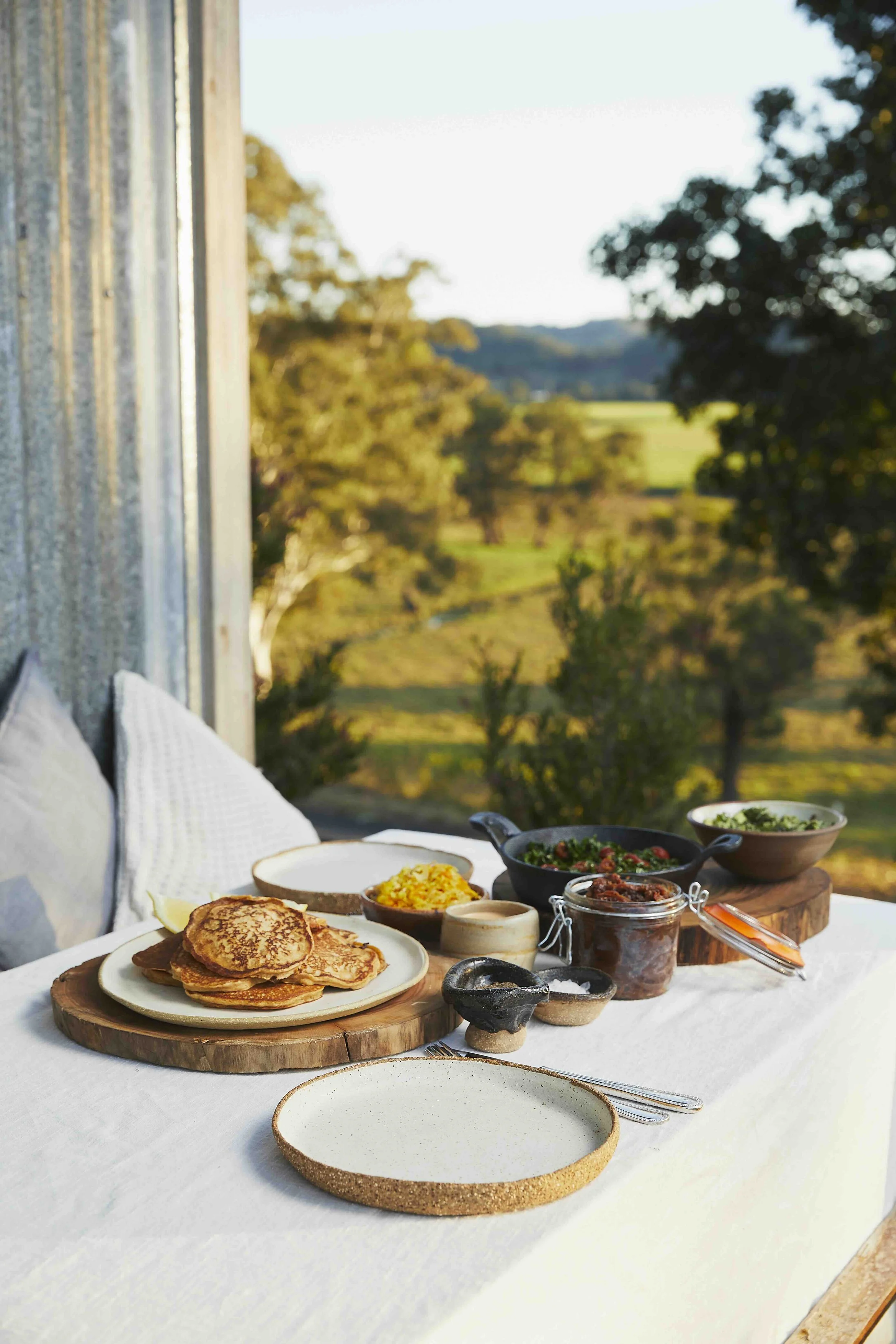
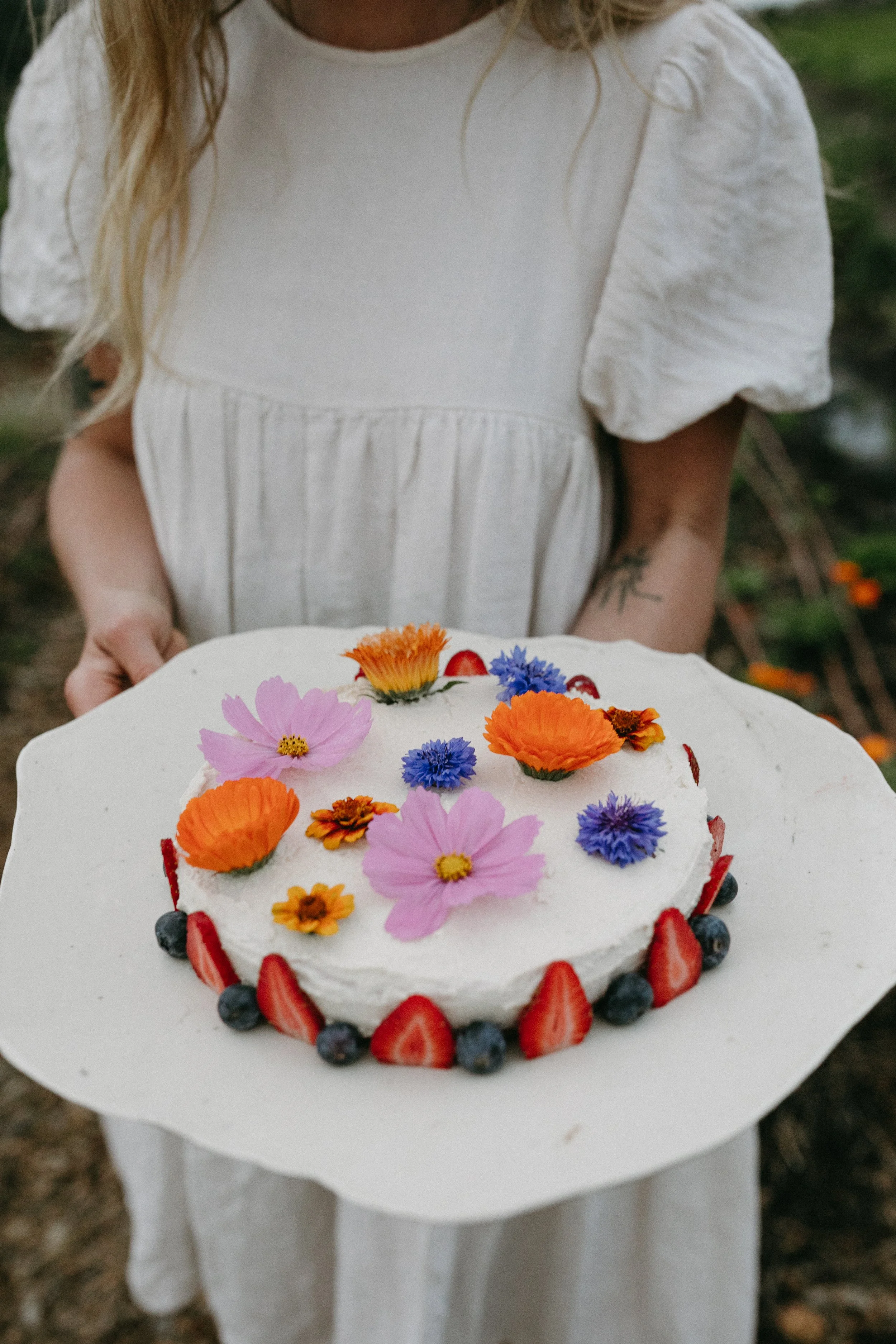
“Let the season guide you. Open the windows, eat fresh foods and enjoy the simple things.”

Fruits and Vegetables that are in season in spring in Australia
Vegetables
Asparagus, artichokes
Peas, snow peas
Spinach, silverbeet, rocket, lettuce
Radishes, baby carrots, beetroot, spring onions
New potatoes, fennel, kohlrabi
Broccoli, cabbage, celery, leeks
Zucchini and cucumber (from late spring)
Rhubarb
Fruits
Strawberries, mulberries, blueberries
Cherries and apricots (late spring)
Late-season citrus: navel and Valencia oranges, mandarins, grapefruit, lemons
Kiwifruit, loquats
Rockmelon (late spring)
Subtropical (especially good in northern NSW and Queensland)
Avocados, passionfruit, bananas
Pineapple, papaya
Mangoes (starting to arrive in November)
Native ingredients
Finger limes, lemon myrtle, macadamias, warrigal greens, native pepper leaf
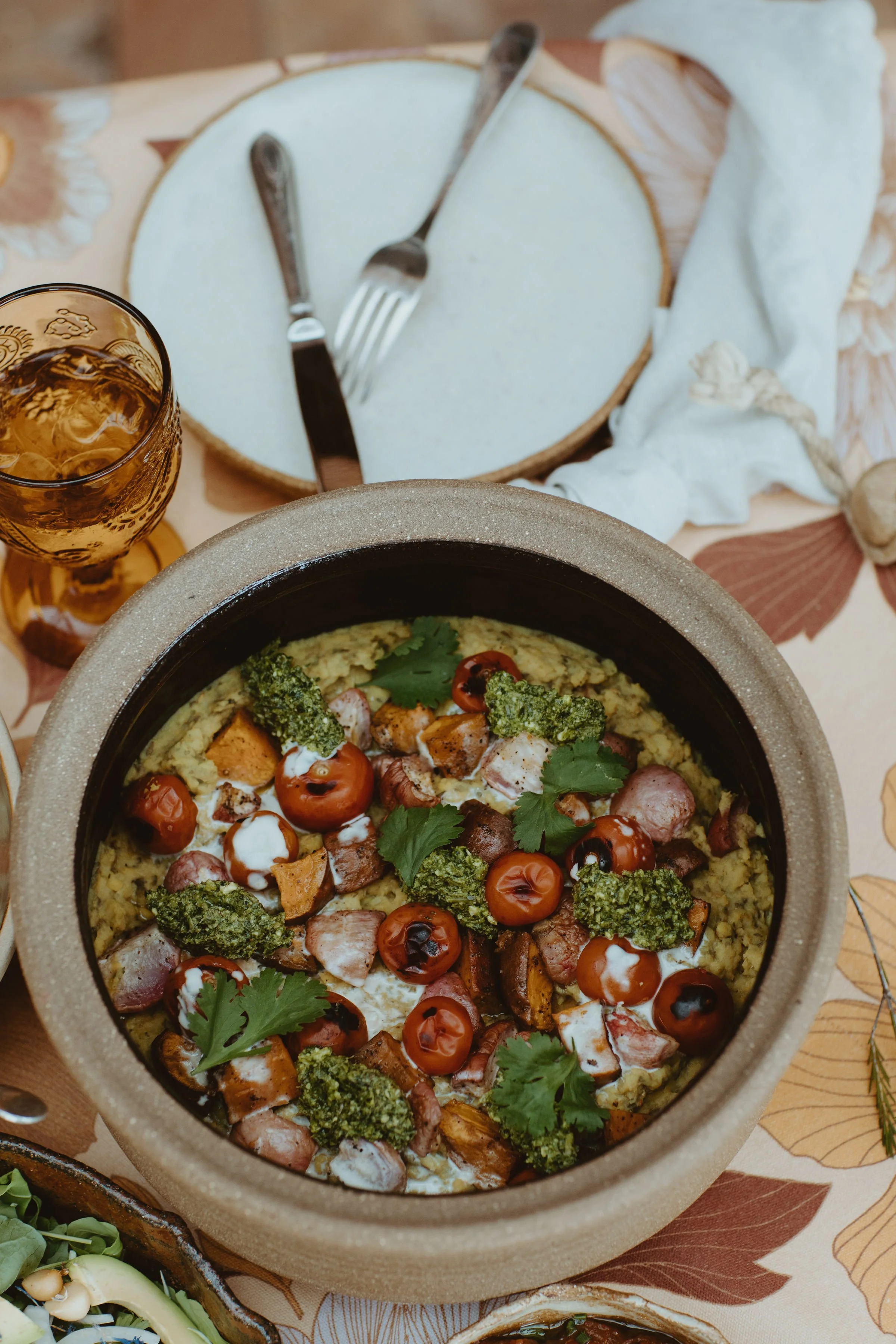
Collard Wraps
Inspiration for this dish comes from when Tash worked at a beautiful organic plant-based cafe in Whistler, Canada called Green Moustache. It was Tash’s first introduction to healthy whole foods, opening her up to what is possible. She learnt that food can be a form of medicine as she watched people heal through the meals she created for them. It showed how a business can thrive by following a mission for good rather than just dollars. This experience started her on her journey with healthy food and this dish is just one of the many things she is grateful for.
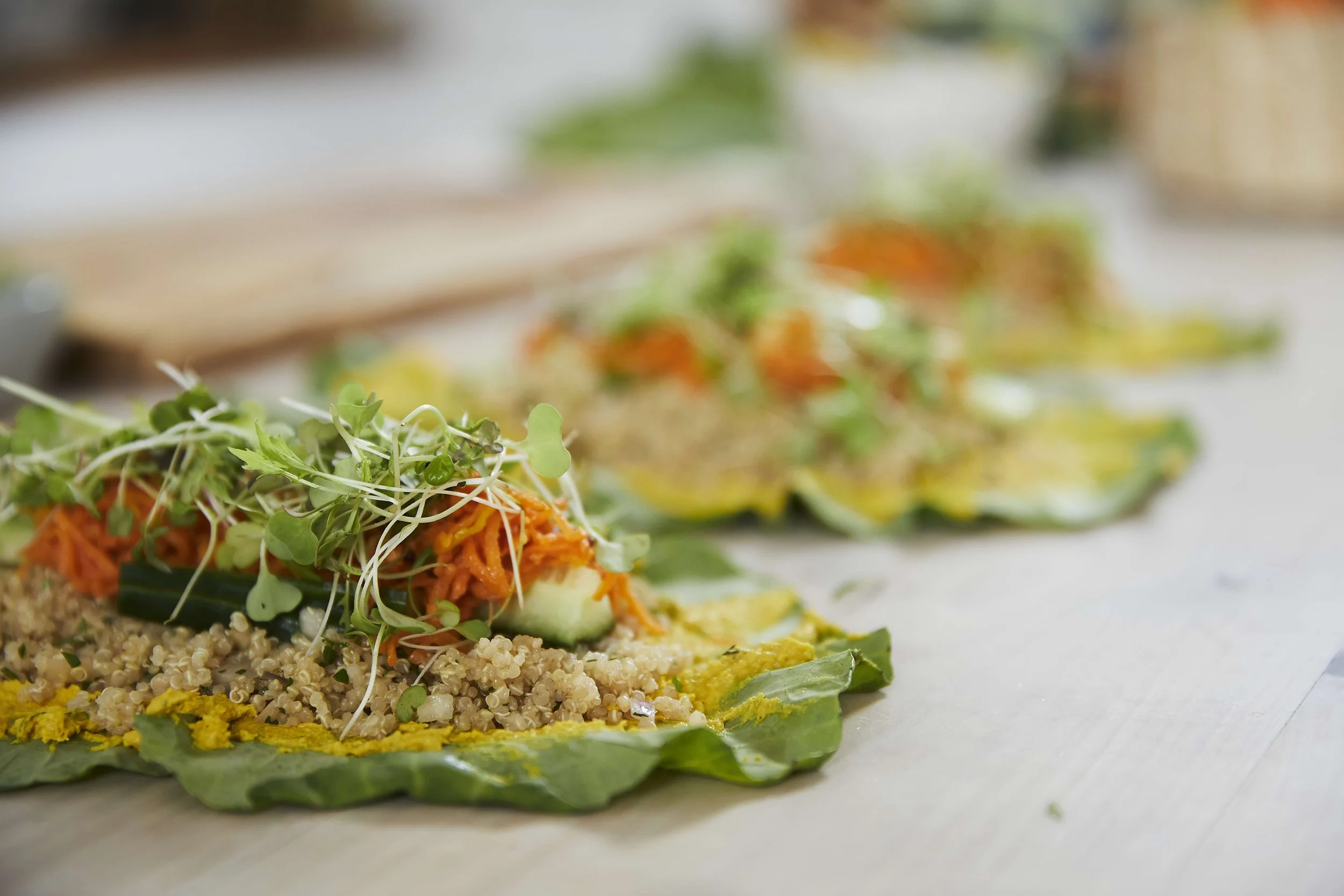
Serves 3-4
Ingredients
2 cups cooked quinoa, cooled
¼ cup red onion, diced
3 tbsp parsley (15g), finely chopped
1 tbsp oil
1 tbsp tamari
1 tbsp maple syrup
2-4 collard leaves
½ cup roast pumpkin hummus (p70 of Anything’s Possible cookbook) or plain hummus of choice
1 medium cucumber (250g), julienned
¼ cup fermented carrot (p52 of Anything’s Possible cookbook) or ½ cup carrot, grated
micro greens or sprouts
Method
In a medium bowl, add the quinoa, red onion, parsley, oil, tamari and maple
syrup. Combine well.
Using a sharp knife, shave down the stems of the collard leaves on just the
inside. Be careful not to cut a hole in the leaf. This will make them much
easier to fold.
Put the collard leaves onto a clean kitchen counter with the stem side
facing up. Spread the hummus across the whole leaf. The hummus will
help the leaf to stick. Repeat on each leaf.
Fill each leaf with the quinoa mix, cucumber, fermented carrot (p52)
and microgreens.
Wrap the leaves in a similar way to how you wrap a burrito, cut in half
and serve cool.
